
Drawing Of Dna Replication
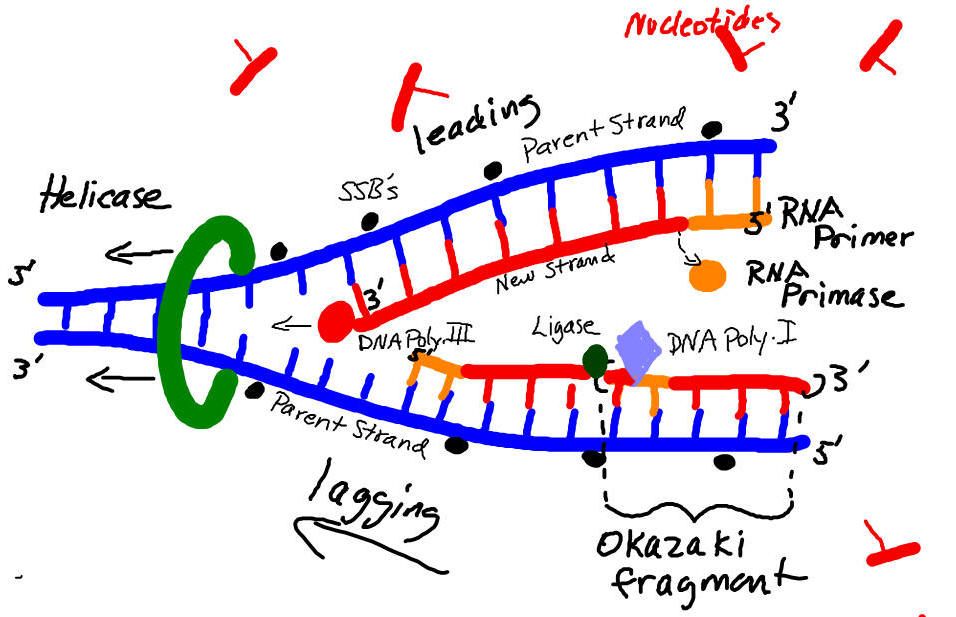
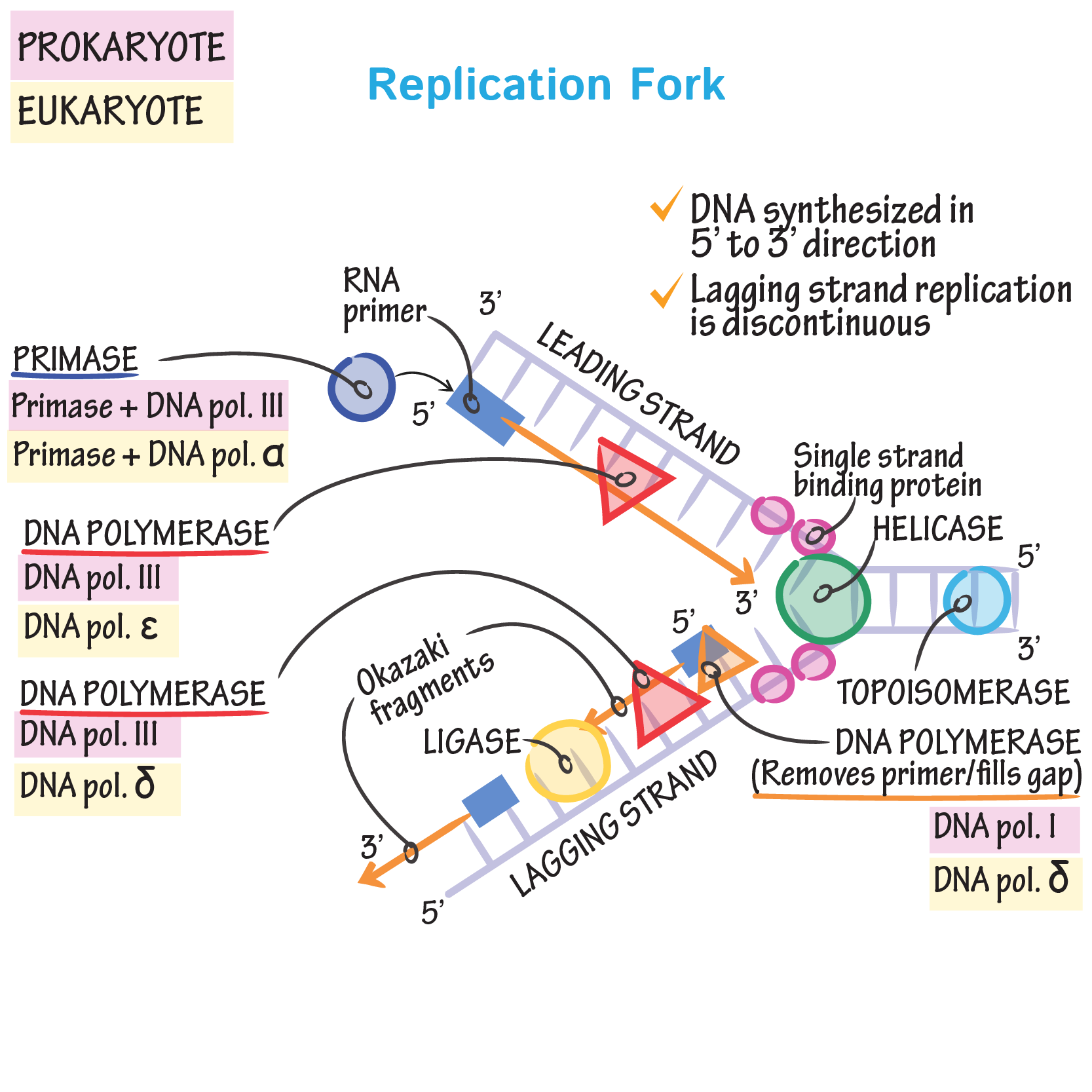
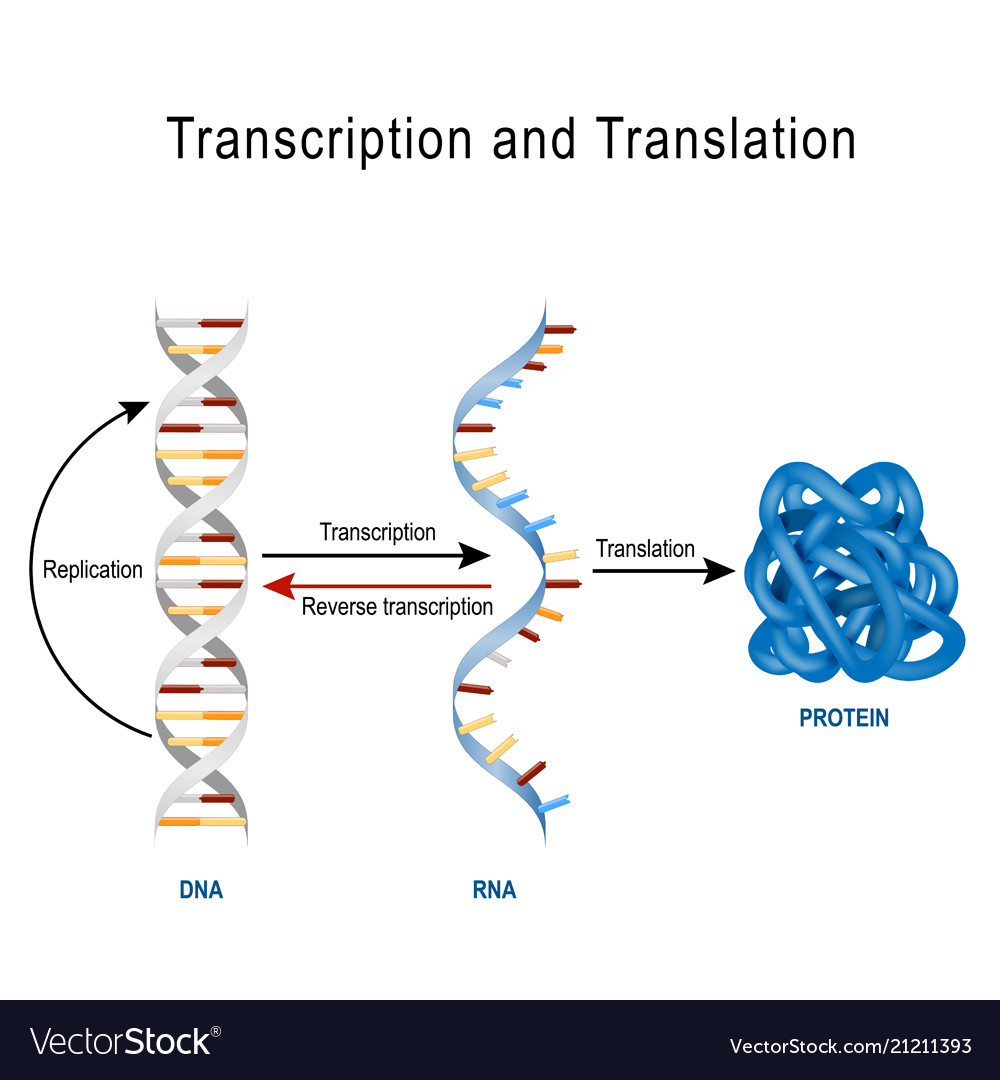
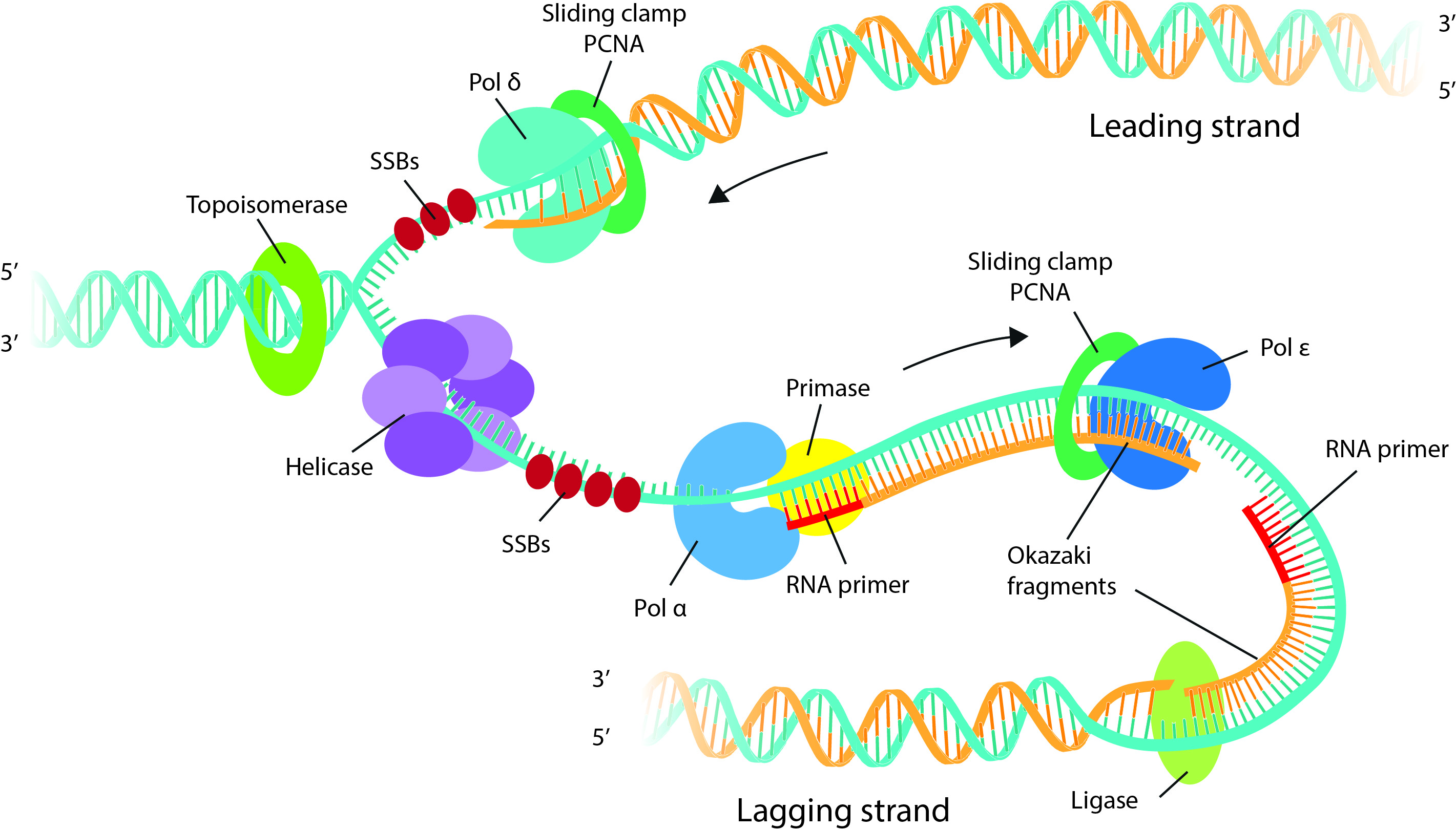
Drawing Of Dna Replication - Web this animation shows a schematic representation of the mechanism of dna replication. A replication fork is formed by the opening of the origin of replication, and helicase separates the dna strands.an rna primer is synthesized, and is elongated by the dna polymerase. As we have seen, dna synthesis starts at one or more origins or replication. Figure 5.4.4 the two strands of nucleotides that make up dna run antiparallel to one another. Where one has a g, the other has a c; And so forth) 2, 4 . A replication fork is formed which serves as a template for replication. When two daughter dna copies are formed, they have the same sequence and are divided equally into the two daughter cells. As we all know, dna is the genetic code that helps our cells to develop and reproduce in a planned way. For example, say you had a portion of your genome. The replication complex is the group of proteins that help synthesize the new dna strands. Web dna replication demands a high degree of accuracy because even a minute mistake would result in mutations. Why is dna replication such an important process. So, as your cells divide, they would have a different dna. However, the procedure is the same in humans and other eukaryotes. This imaginary polymerase that elongates the 5' end of the growing chain. Where one has a g, the other has a c; Replication mistakes and dna repair. Web as previously mentioned, the location at which a dna strand begins to unwind into two separate single strands is known as the origin of replication.as shown in figure 1, when the double helix. Therefore, if the first strand starts at the 3′ end and finishes at the 5′ end, then the second strand must run opposite, starting at the 5′ end and. This is the point where the replication originates. Web dna replication demands a high degree of accuracy because even a minute mistake would result in mutations. So, as your cells divide, they would have a different dna. Web during dna replication, each of the two strands that make up the double helix serves as a template from which new strands. As we all know, dna is the genetic code that helps our cells to develop and reproduce in a planned way. On the leading strand, dna is synthesized continuously, whereas on the lagging strand, dna is. As we have seen, dna synthesis starts at one or more origins or replication. Dna replication’s primary purpose is to enable living organisms to. Web formation of replication fork step 2: A replication unit is any chunk of dna that is capable of being replicated — e.g. Web dna replication demands a high degree of accuracy because even a minute mistake would result in mutations. On the leading strand, dna is synthesized continuously, whereas on the lagging strand, dna is. Web here, we will. Try drawing this situation, for a real polymerase vs. The replication complex is the group of proteins that help synthesize the new dna strands. Web learn for free about math, art, computer programming, economics, physics, chemistry, biology, medicine, finance, history, and more. However, the procedure is the same in humans and other eukaryotes. Why is dna replication such an important. This is the point where the replication originates. Nucleotides that compose dna are called deoxyribonucleotides. One strand runs from 5′ to 3′ direction towards the replication fork and is referred to as leading strand and the other strand runs from 3′ to 5′ away from the replication fork and is referred to as lagging strands.; A replication fork is formed. A nucleotide, in turn, is made up of phosphate molecule, deoxyribose, and a nitrogenous base. Prior to replication, the dna uncoils and strands separate. Web dna replication demands a high degree of accuracy because even a minute mistake would result in mutations. Web this animation shows a schematic representation of the mechanism of dna replication. The only way to replace. When two daughter dna copies are formed, they have the same sequence and are divided equally into the two daughter cells. A replication fork is formed which serves as a template for replication. Web dna is a double helix structure comprised of nucleotides. Web as previously mentioned, the location at which a dna strand begins to unwind into two separate. A replication fork is formed which serves as a template for replication. Dna is the genetic material that defines cells in bodies. The building blocks of nucleic acids are nucleotides. One strand runs from 5′ to 3′ direction towards the replication fork and is referred to as leading strand and the other strand runs from 3′ to 5′ away from. The new strand will be complementary to the parental or “old” strand. Because of which it is called the ‘blueprint of life’. When two daughter dna copies are formed, they have the same sequence and are divided equally into the two daughter cells. One strand runs from 5′ to 3′ direction towards the replication fork and is referred to as. After breaking hydrogen bonds at the origin of replication, the dna double helix is progressively unzipped in both directions (i.e., by bidirectional replication).the. Dna replication’s primary purpose is to enable living organisms to reproduce. Replication mistakes and dna repair. This model made a lot of sense given the structure of the dna double helix, in which the two dna strands. On the leading strand, dna is synthesized continuously, whereas on the lagging strand, dna is. Thus, replication cannot initiate randomly at any point in dna. These are dna sequences targeted by initiator proteins in e. Try drawing this situation, for a real polymerase vs. A replication fork is formed which serves as a template for replication. As we have seen, dna synthesis starts at one or more origins or replication. As we all know, dna is the genetic code that helps our cells to develop and reproduce in a planned way. Because of which it is called the ‘blueprint of life’. One strand runs from 5′ to 3′ direction towards the replication fork and is referred to as leading strand and the other strand runs from 3′ to 5′ away from the replication fork and is referred to as lagging strands.; Web dna is a double helix structure comprised of nucleotides. This imaginary polymerase that elongates the 5' end of the growing chain. However, the procedure is the same in humans and other eukaryotes. Web this animation shows a schematic representation of the mechanism of dna replication. For the replication to begin there is a particular region called the origin of replication. Web learn for free about math, art, computer programming, economics, physics, chemistry, biology, medicine, finance, history, and more. When two daughter dna copies are formed, they have the same sequence and are divided equally into the two daughter cells.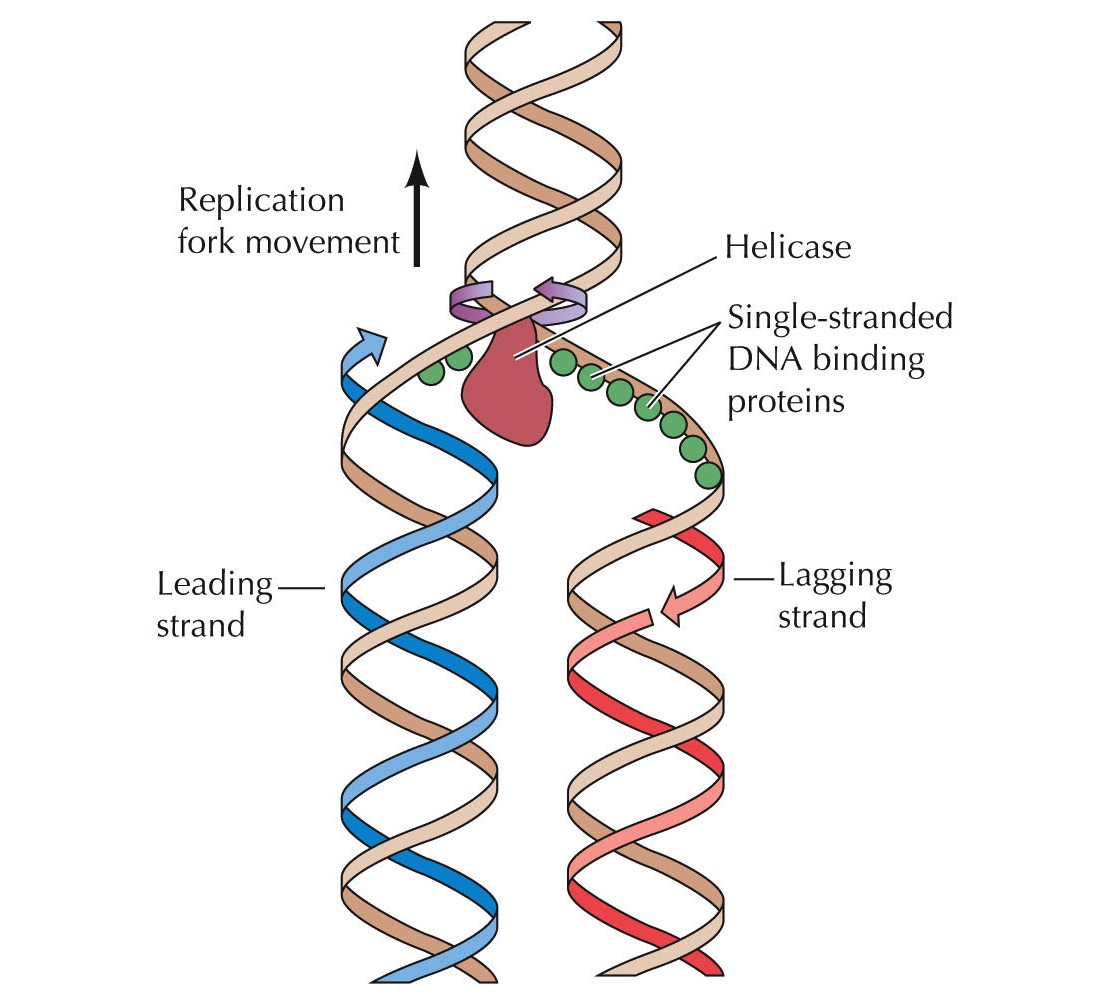
Dna Replication Diagram With Labels
Dna Replication Drawing at Explore collection of

Diagram Of Dna Biology Labelled Replication Label Digital Art By Images
Dna Replication Drawing at Explore collection of

DNA Replication — Steps & Diagram Expii
Dna replication protein synthesis transcription Vector Image
DNA Replication Study Solutions
DNA Replication Lagging Strand

Dna Replication Drawing at GetDrawings Free download

DNA Replication Microbiology
Nucleotides That Compose Dna Are Called Deoxyribonucleotides.
This Is The Point Where The Replication Originates.
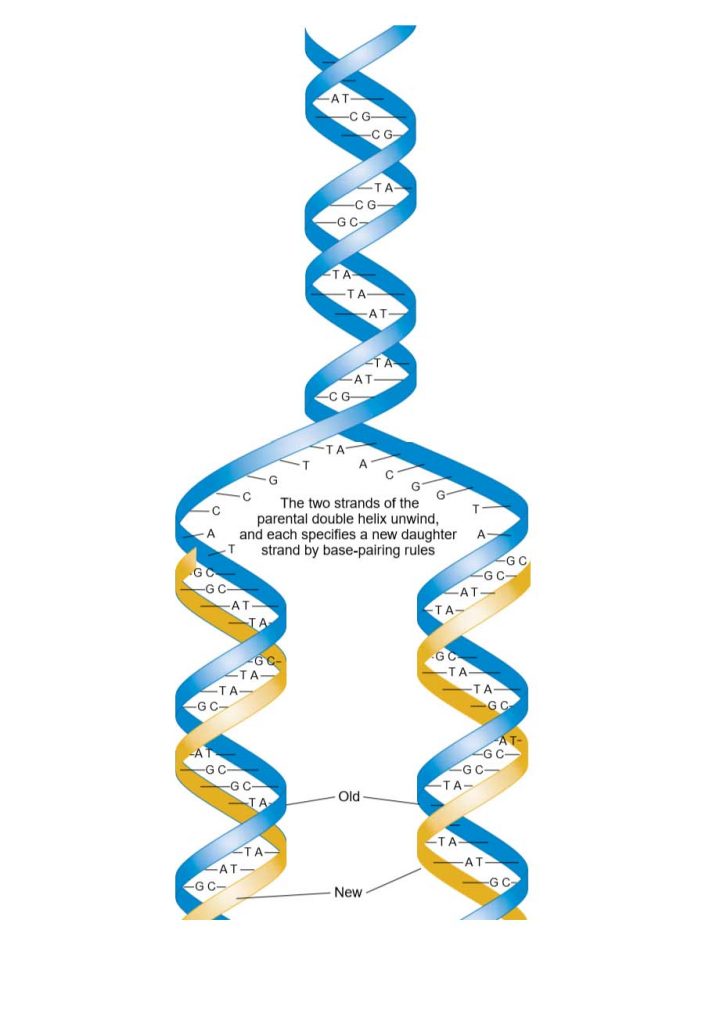
The New Strand Will Be Complementary To The Parental Or “Old” Strand.
Each Molecule Consists Of A Strand From The Original Molecule And A Newly Formed Strand.
Related Post: